

HubSpot, set up so marketing and sales work as one
HubSpot can run your marketing, your sales pipeline, and your customer data from a single platform, which is exactly why it so often ends up half-used: a CRM full of messy contacts, workflows nobody trusts, and reports that don't match reality. We set HubSpot up properly, clean data, automations that work, and marketing and sales finally looking at the same picture.
Talk to our team
HubSpot's power is having everything in one place. So is its problem.
The pitch for HubSpot is simple and genuinely good: put your contacts, marketing, sales pipeline, and reporting in one system, so nothing falls through the cracks. Set up well, it's a real advantage, marketing hands sales warm leads, every interaction is on the record, and you can finally see what's driving revenue.
The trouble is that HubSpot only reflects reality if someone makes it. Left to grow on its own, it fills with duplicate contacts, half-finished workflows, properties nobody agreed on, and dashboards that quietly disagree with your other numbers. At that point the "single source of truth" becomes the thing everyone stopped trusting.
We set HubSpot up around how your business actually works, and keep the data clean enough that people believe what it tells them.
13+
Years building CRM, automation, and reporting
98%
Client retention over the last decade
1700+
Projects delivered for international clients
What we do with HubSpot
From CRM structure and pipelines to workflows, integrations, and reporting, here is the work we take on.
CRM Setup & Data Structure
Contacts, companies, deals, and properties structured around how you actually sell, so your CRM matches your business instead of fighting it.
Sales Pipeline & Deal Automation
Pipelines, stages, and deal automation that move work forward on their own, and give your team a clear view of what's in play and what needs attention.
Marketing Workflows & Nurturing
Lead nurturing, lifecycle stages, and automated workflows that follow up at the right moment, so leads don't go cold while someone means to get to them.
Forms, Landing Pages & Lead Capture
Forms, landing pages, and lead-capture flows that feed clean data straight into the CRM, with tracking that tells you where every lead came from.
Integrations & Data Sync
Connect HubSpot to your store, ads, and the tools your team already uses, so data flows in automatically and everything stays in sync.
Reporting & Attribution
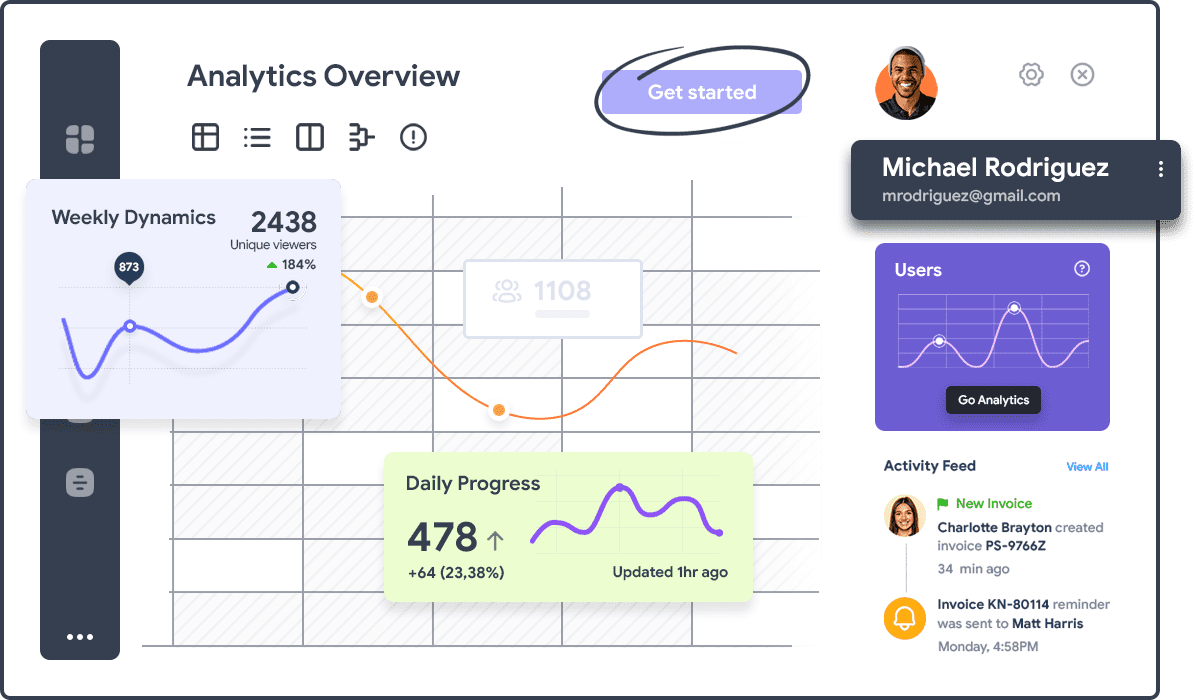
Dashboards that tie marketing activity to real sales outcomes, so you can see what's working, what's not, and where the revenue actually comes from.
A CRM is only as good as the data inside it
The fastest way to kill a HubSpot rollout is dirty data. Duplicate contacts, leads with no source, deals stuck in stages nobody updates, a sync that silently breaks. Once the data can't be trusted, people quietly go back to their spreadsheets, and the expensive platform becomes an address book. Keeping the data clean and connected is where we put real effort.
-
Integrations that hold: HubSpot wired to your store, forms, ads, and tools, with data flowing in automatically.
-
Clean, de-duplicated records, so a contact is one contact and a report can be trusted.
-
Automation that maintains itself, tidying and routing data in the background instead of relying on someone remembering.
This is the engineering side of CRM, the part that decides whether HubSpot becomes your source of truth or just another place data goes to rot.
How a HubSpot project runs with us

1. Map how you sell
We start with your real sales and marketing process, your stages and your handoffs, so HubSpot fits the business rather than a template.
2. Build & connect
We structure the CRM, build the pipelines and workflows, and connect HubSpot to the tools and data it needs.
3. Clean & test
We sort out the data, de-duplicate, and test that automations and reports do what they should before your team relies on them.
4. Launch & support
We roll it out with your team, make sure people can actually use it, and stay on to refine as you go.
We set HubSpot up like a system, not a sign-up
Buying HubSpot is easy. Making it reflect how your business really runs, with clean data, working automations, and reporting people trust, is the hard part, and it's where most rollouts stall. We come at it as engineers and marketers both: we understand the sales and marketing side, and we can do the data and integration work underneath that actually makes it hold together.
-
Marketing and engineering in one team. We design the workflows and build the plumbing that feeds them.
-
We take data seriously. Clean records and reliable syncs, because a CRM nobody trusts is worse than none.
-
We connect it to everything. HubSpot working with your store, ads, and stack, not sitting on its own island.

Questions clients ask us
Straight answers to the things people usually want to know before they start.
We have HubSpot but it's a mess. Can you fix it rather than starting over?
Usually, yes, and that's a lot of what we do. We audit what's there, clean up the data and duplicates, fix or rebuild the workflows that matter, and get reporting trustworthy again, without throwing away the history you've already built up.
Which HubSpot do we actually need?
That depends on what you're trying to do, and it's easy to over-buy. We'll help you work out which parts you genuinely need across marketing, sales, and service, so you're paying for what you'll use rather than the biggest bundle.
Can HubSpot connect to our online store and other tools?
Yes. We integrate HubSpot with Shopify, WooCommerce, your ad platforms, and the rest of your stack, so purchase and behaviour data flows in automatically and your CRM reflects what customers are actually doing.
Will our sales team actually use it?
That's the real test, and it comes down to setup. When the pipeline matches how they sell, data entry is minimal, and the CRM saves them time instead of adding admin, adoption follows. We design for the people using it, not just the person who bought it.
How is this different from just using it for email?
Email is one small part. The value of HubSpot is the CRM underneath, connecting marketing, sales, and your data so you can see the whole journey from first click to closed deal. We set it up to do that, not just send newsletters.
Can you set up reporting that ties marketing to sales?
Yes, and it's one of the most valuable things HubSpot can do once the data's clean. We build dashboards that connect marketing activity to pipeline and revenue, so you can finally see which efforts actually produce customers.